Protease

Protein stains are often caused by animal products or secretions, which means they’re found in a very wide variety of stains. That may be why proteases that break down protein stains were the first type of enzyme to be added to detergents.

Protease enzymes are essential for many biological processes. They are required for the regulation of various metabolic and cellular processes.

  • They are proteolytic, they help in digestion and catabolism of proteins. They catalyse the hydrolysis of peptide bonds and convert them to amino acids, which is then absorbed and utilised by cells.
  • They are required for the blood coagulation process.
  • Protease enzymes are involved in the cell division, growth, apoptosis and migration.
  • Protein recycling and transport across membranes.
  • They are involved in the activation of precursor proteins and zymogens.
  • Proteases provide immune support and regulate the process of tumour growth, metastasis, inflammation, etc.
  • They may help in wound healing and muscle soreness.
lipase Enzymes

Types of lipase enzymes:

  • lipase for animal feed
  • lipase for detergent
  • lipase for textile

Lipase for animal feed:

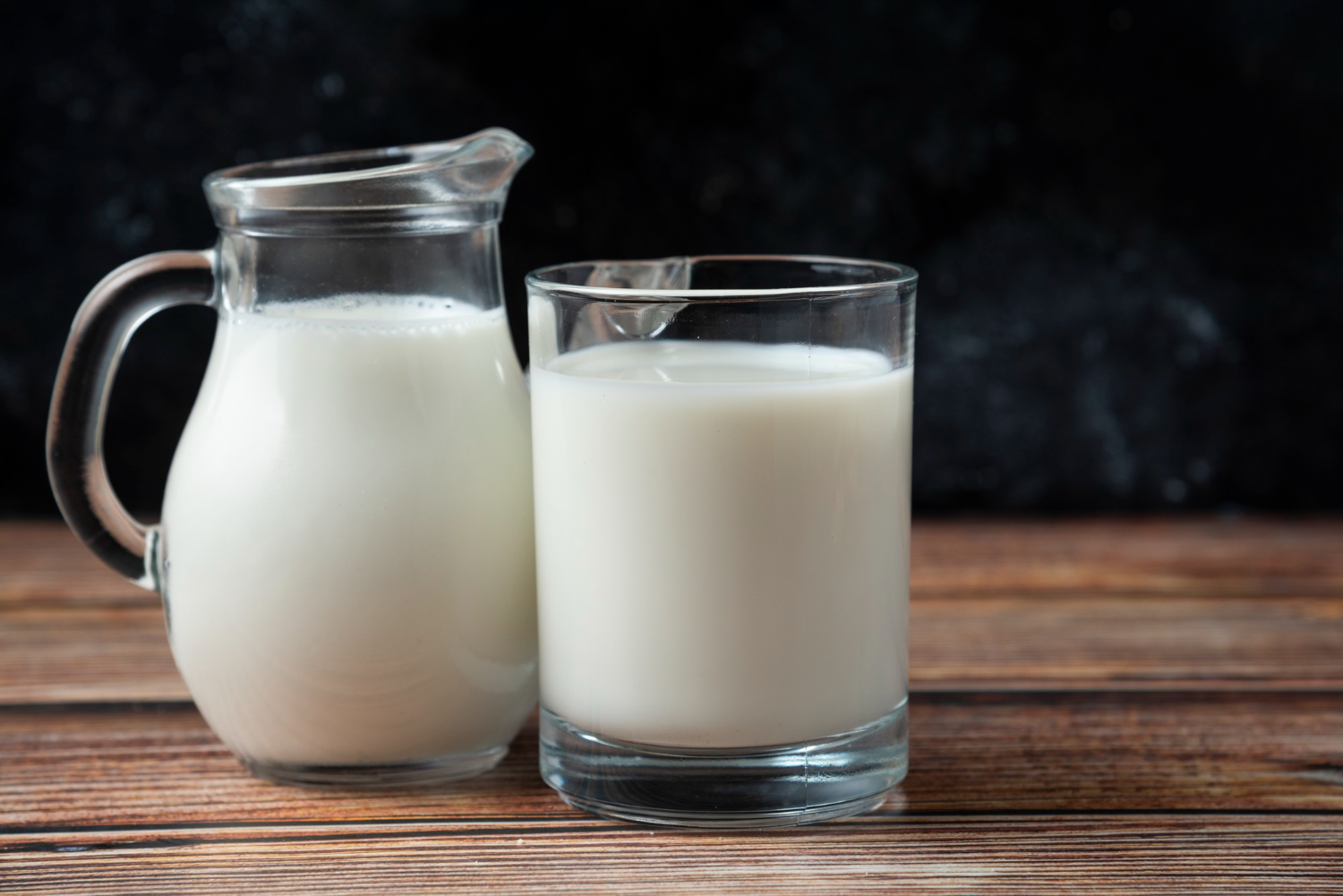
Lipase Enzyme in Liquid and Powder Form. It is designed to break down Fats present in the Animal Feed. The composition of animal feed contains various fats which are hydrophobic. Lipase breaks these fats to soluble fatty acids which can be easily absorbed by the animal as a nutrient.

Lipase offers the following benefits Animal Feed Industry:

  • Specific action on Lipids.
  • Assists in the digestion process.
  • Decreases viscosity of the feed.
  • Improves uptake of nutrients.

Cellulase Enzymes

cellulase enzymes(acid, alkaline and neutral)Cellulases, solely or in a mixture with other enzymes, are involved in several industries including biofuel production, food industries, feed, beverages, paper industries, pharmaceutical, agricultural. Enzyme mediated hydrolysis of cellulosic biomass result in the generation of sugars that serve as the starting materials for the production of various value-added products of commercial interest, such as bioethanol, organic acids, sugars and animal feeds. A combination of cellulases, hemicellulases and pectinases, are added to improve process performance and yield to enhance cloud stability and texture and to reduce the viscosity of nectars and pure obtained from fruits such as apricot, peach, plum, papaya. The combination of these enzymes improved extraction, clarification, stabilization and yield of fruit and vegetable juices.

Amyliase

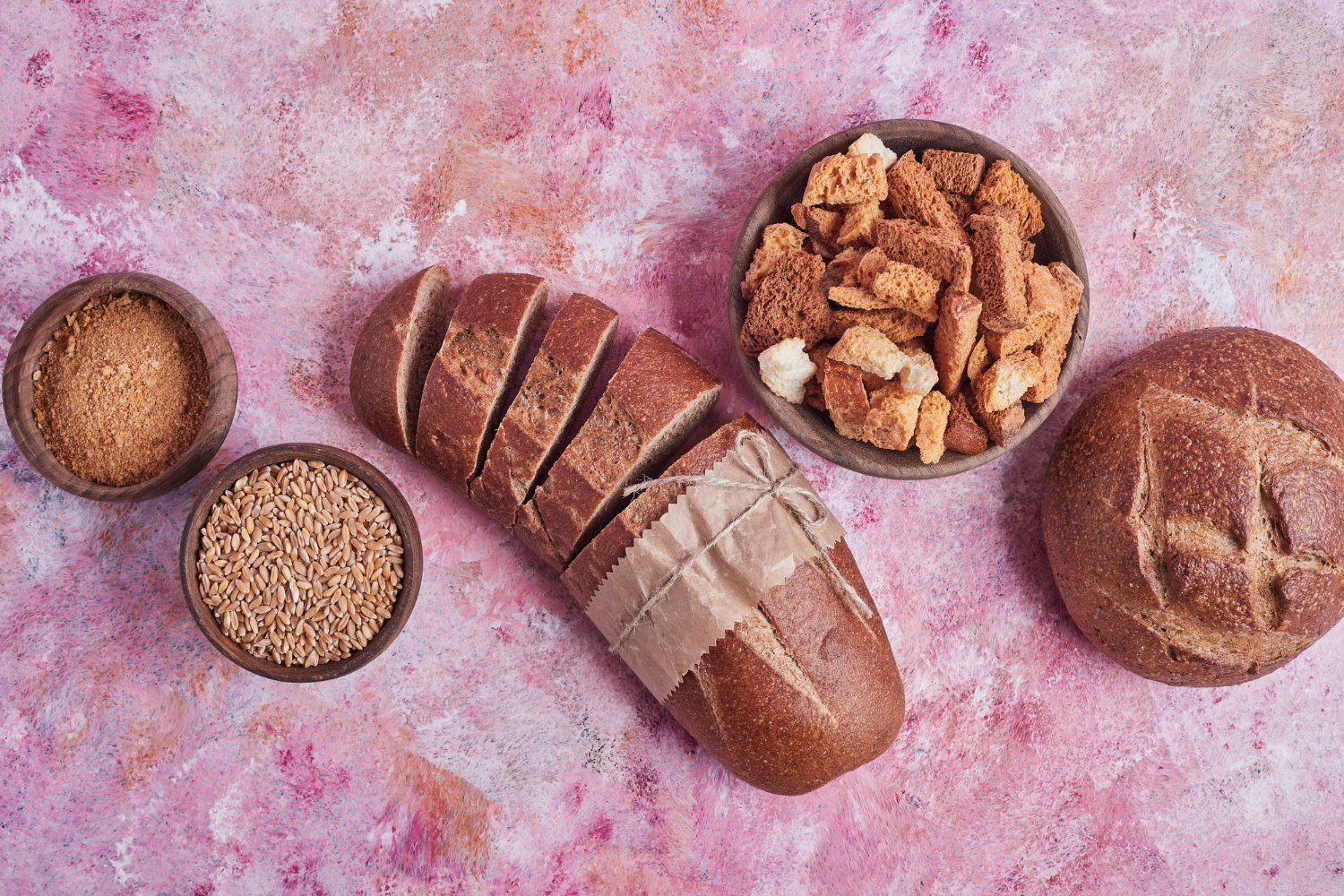
The dough for bread, rolls, buns, etc. consists of flour, water, yeast, salt and other ingredients such as sugar and fat. Bread is the most common and traditional foods. But bread has close links with enzymes. For years, enzymes such as malt and fungal alpha-amylase have been used in bread making industries. Due to the changes in the baking industry and the ever-increasing demand for more natural products.Flour consists of gluten, starch, lipids and other polysaccharides etc.

The strength of this network is significant for the quality of all bread raised by yeast. Enzymes such as proteases, hemicellulases and lipases directly or indirectly improve the strength of the gluten network and so improve the quality the bread.